STEPBYSTEP / 134

Biology

From the human body to distant planets. Choose a subject that sparks your curiosity.

By default: recordings in this page language and lessons with it as the helper language. Topic browsing shows subject videos; use the format or helper filter for lessons.

2:35
Audio language: EnglishSongs

Why Are Flowers Colorful? | Science Song for Kids

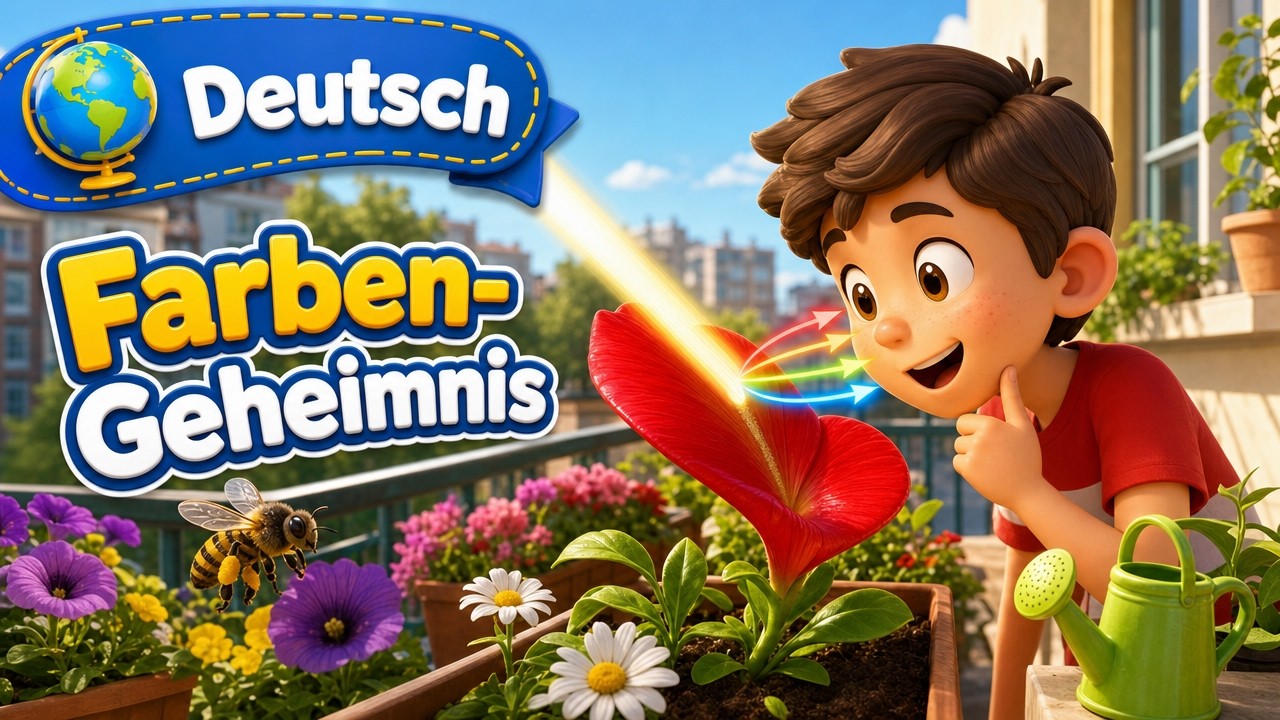
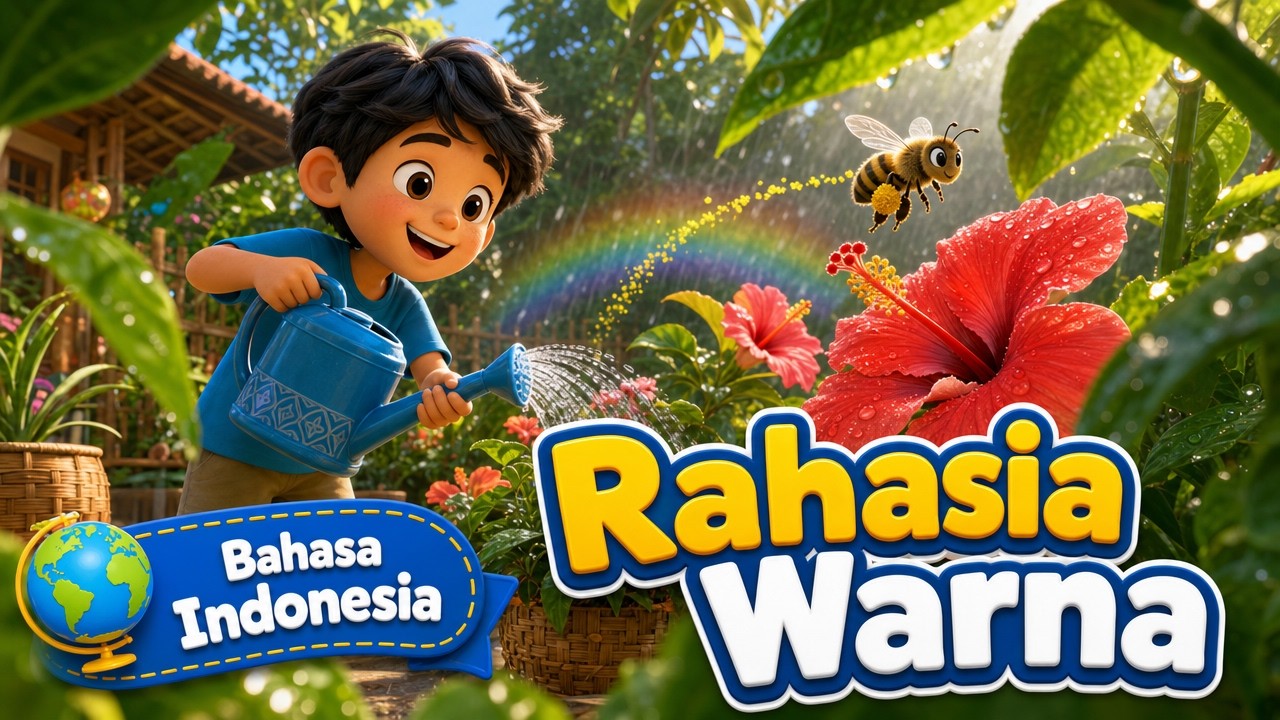
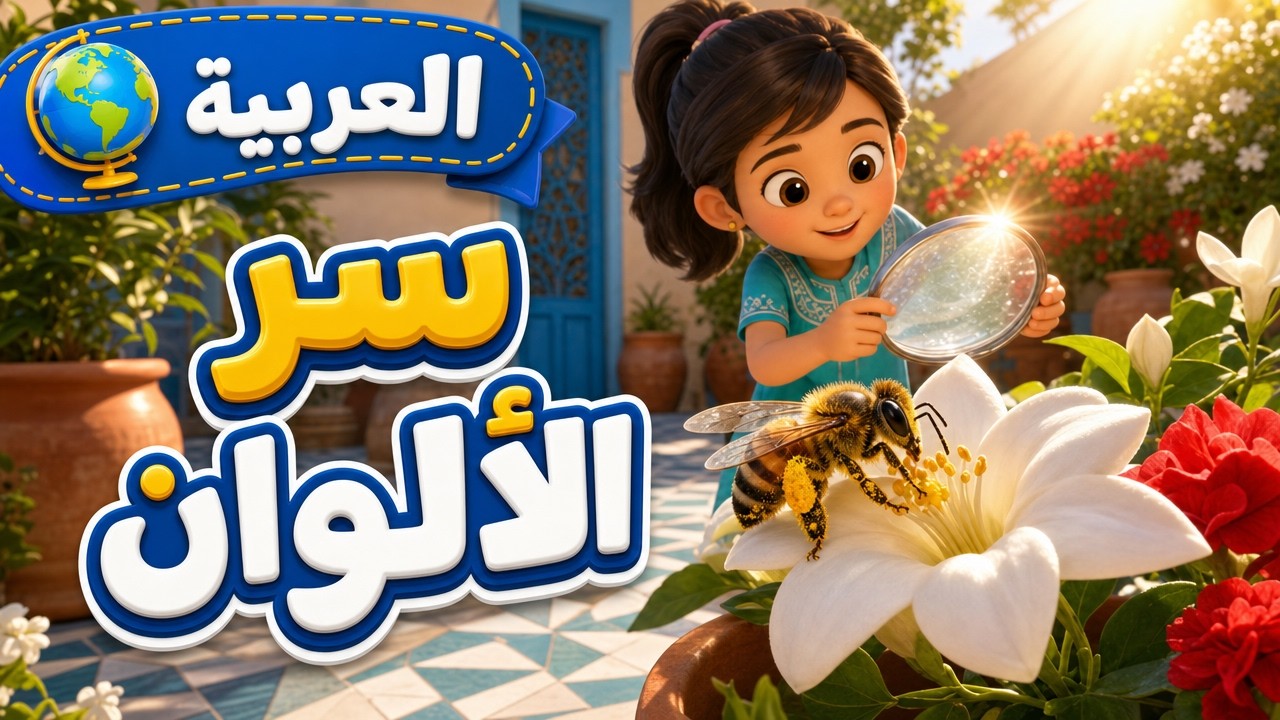
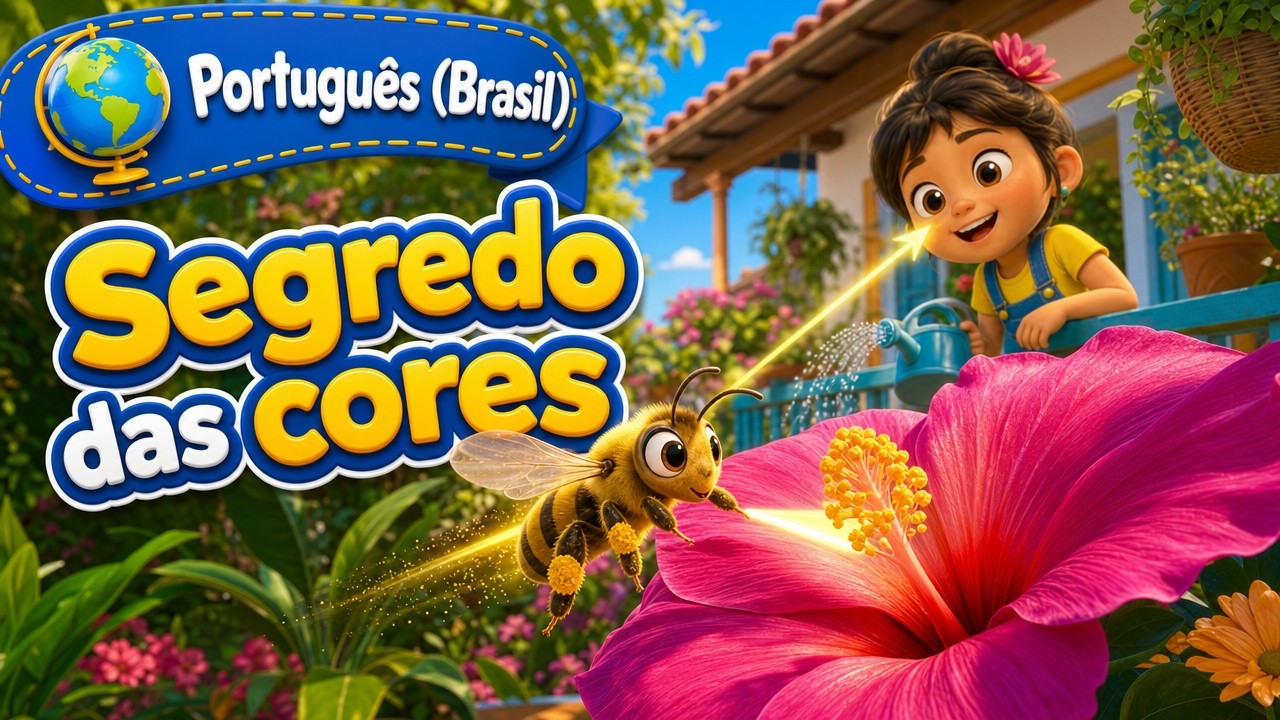
A bright science song for kids about the colors of flowers. Discover how sunlight and pigments in petals absorb some light and reflect other colors to our eyes. See how color, scent, and shape can help a bee find food while pollen travels between flowers and supports seed formation.

Biology↗
2:59
Audio language: EnglishSongs

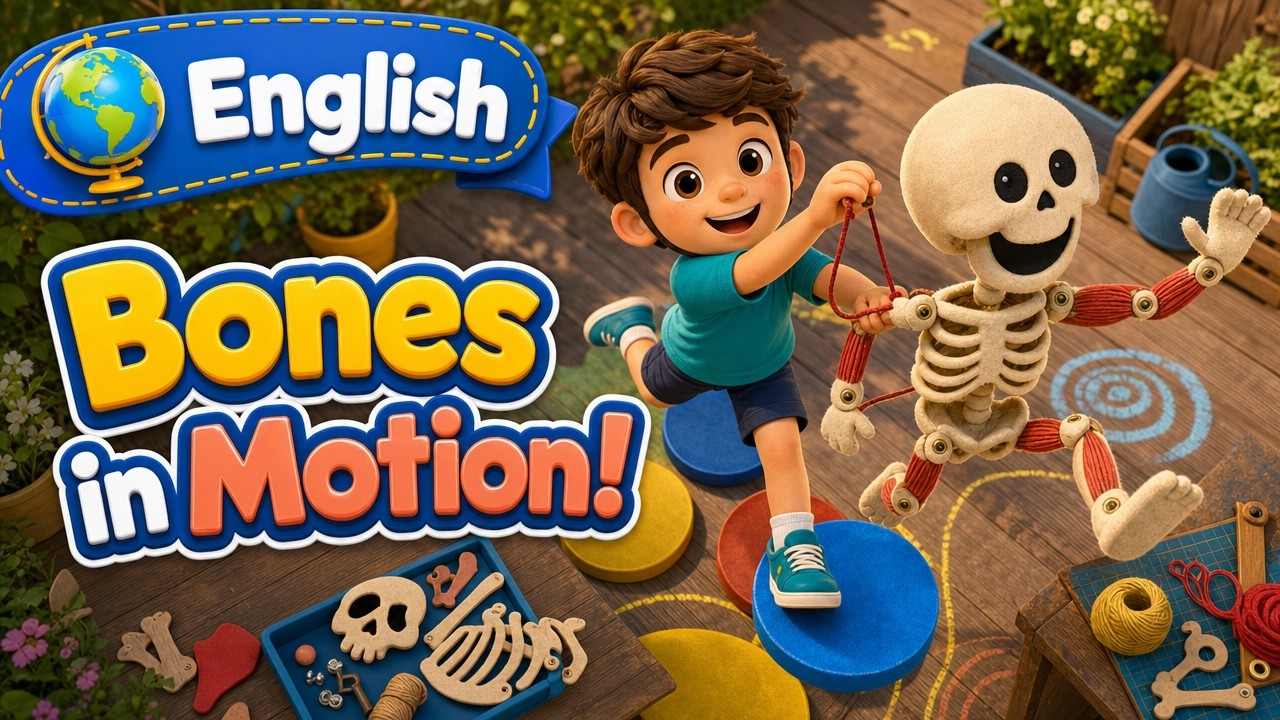
Why Do We Have Bones? The Skeleton Keeps Us Moving | Kids’ Song

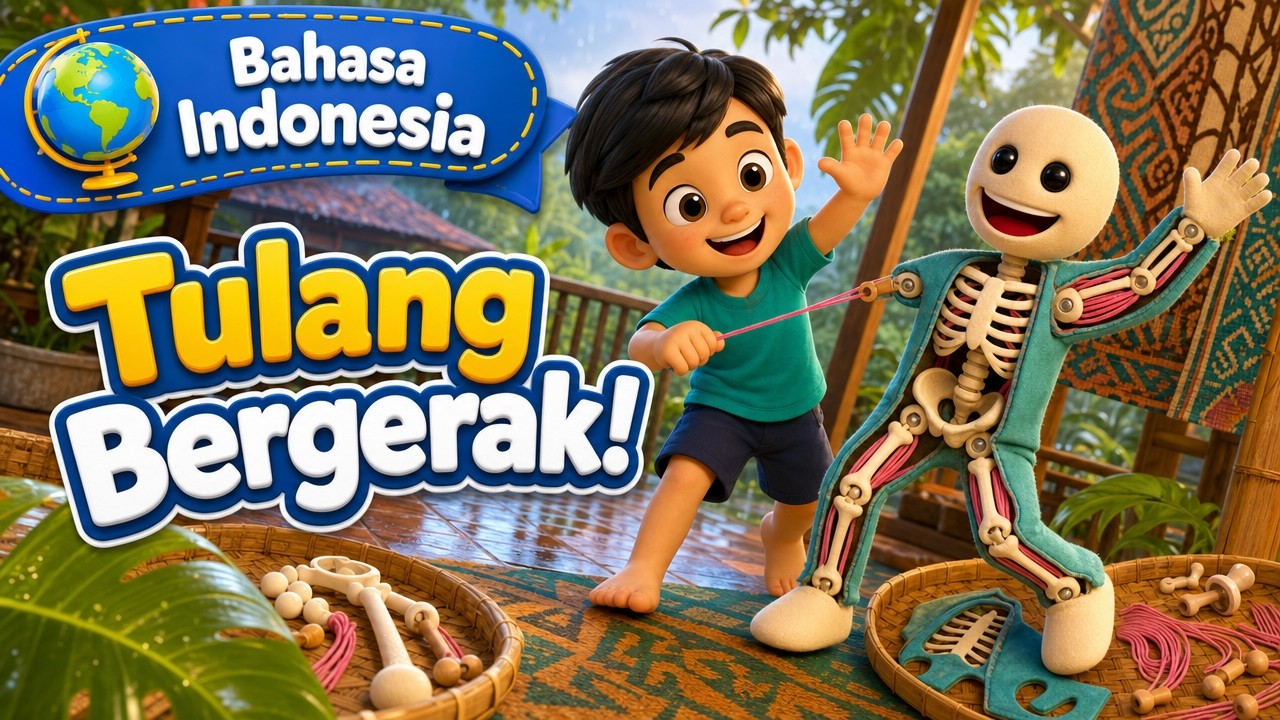
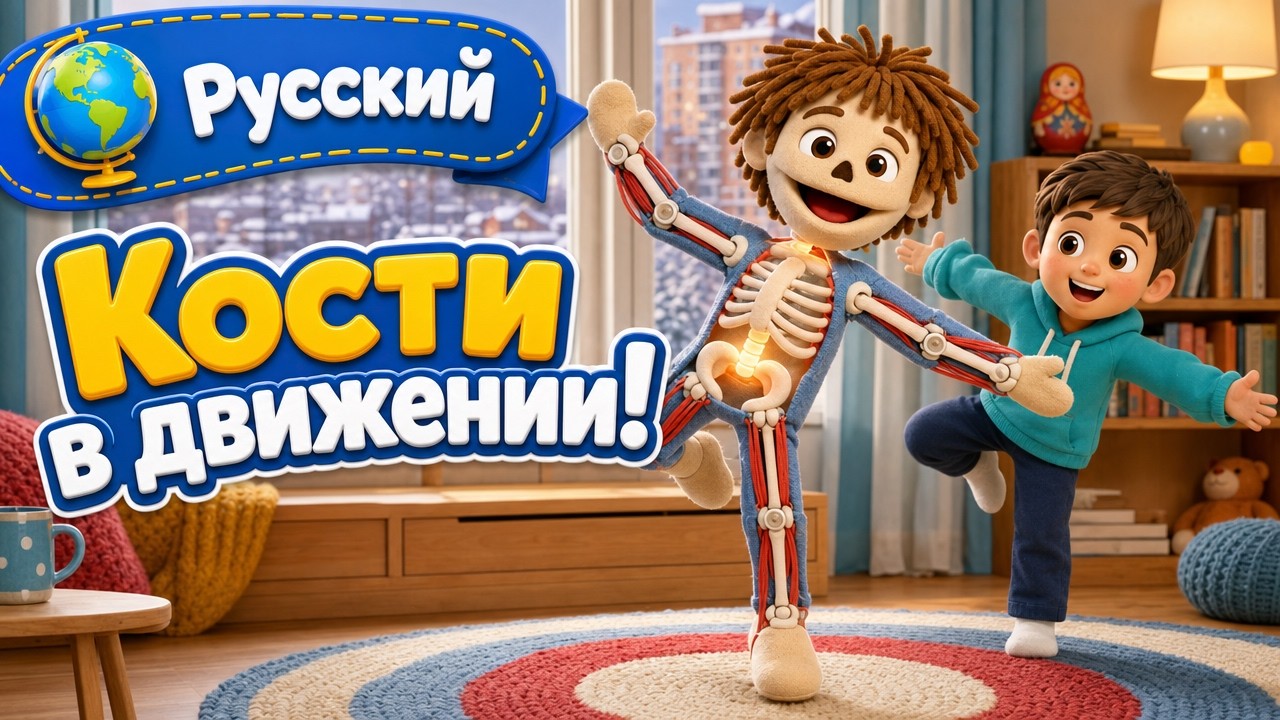
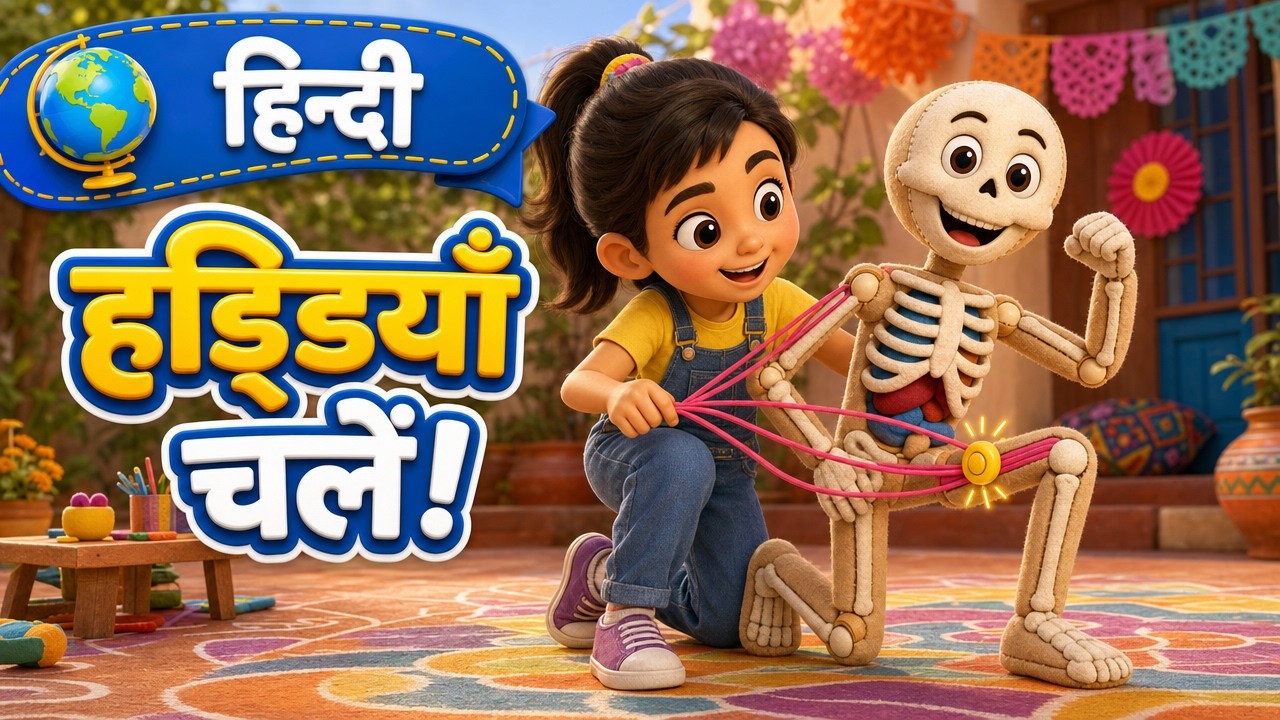
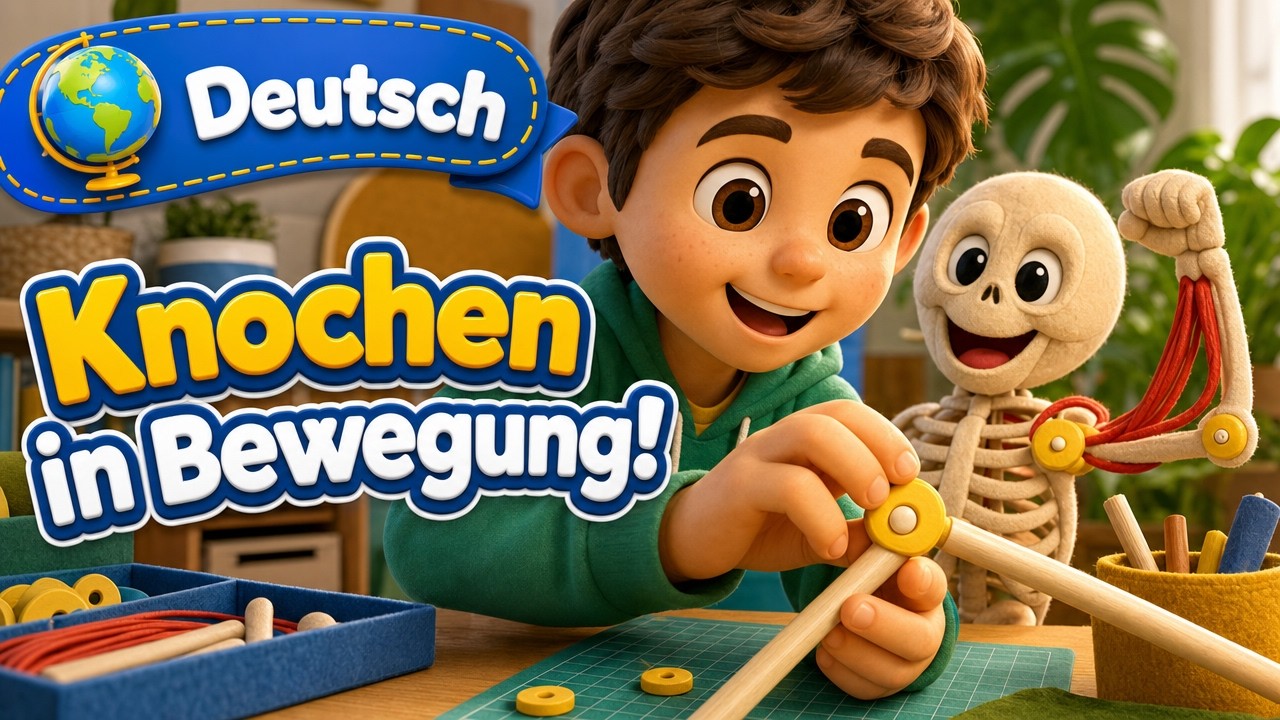
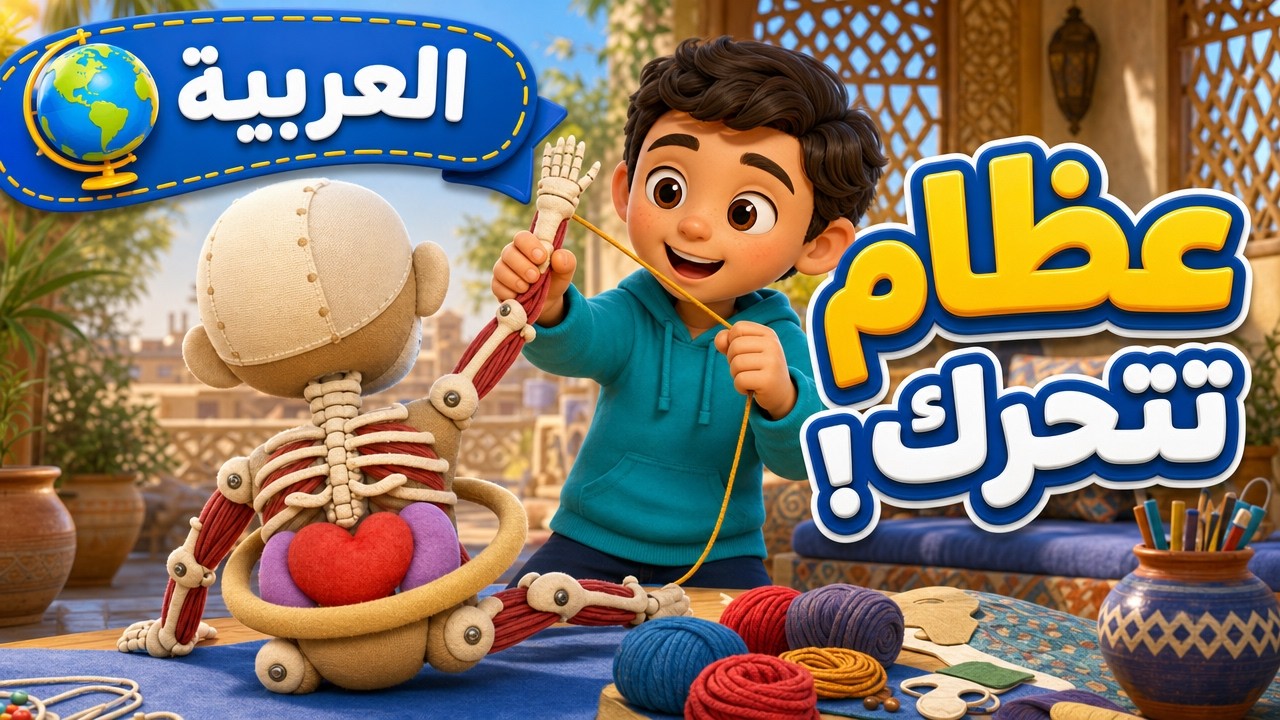
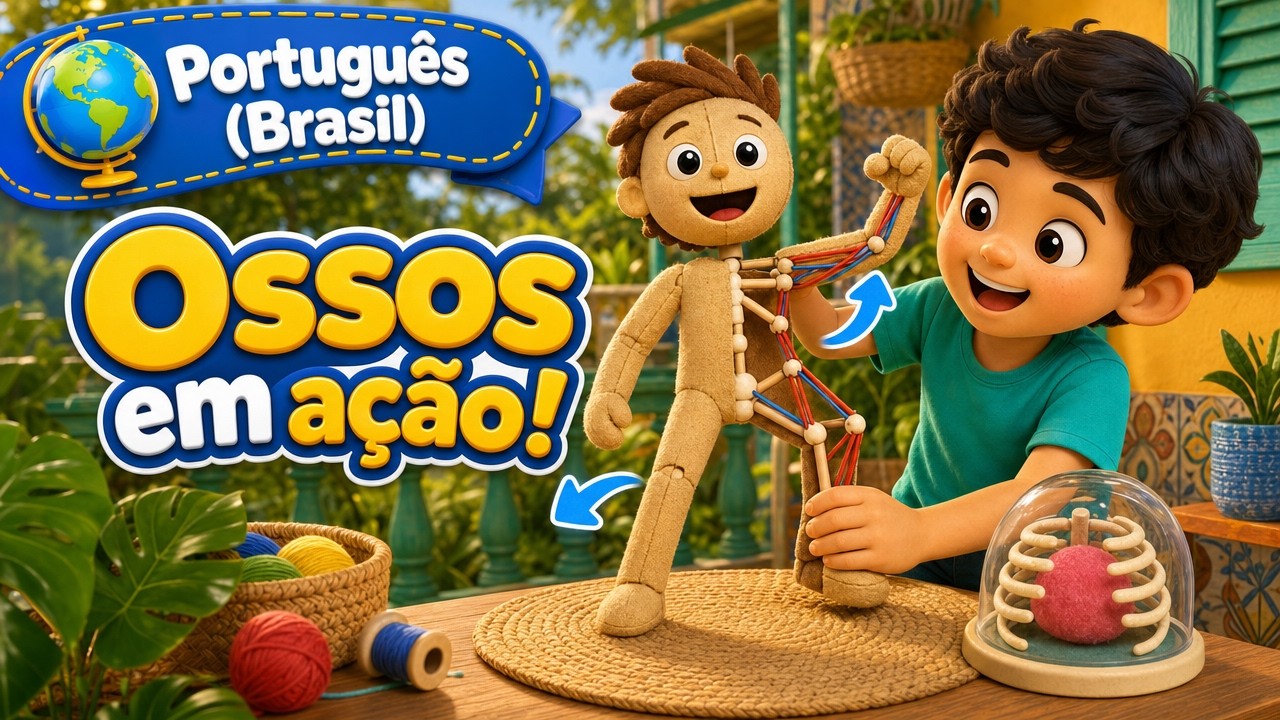
Why can we stand, bend, wave, and jump? This upbeat children’s song uses a soft puppet model to show how the skeleton supports the body, joints let it bend, and muscles pull bones to create movement. It also introduces how the skull and ribs help protect important organs.

Biology↗
2:25
Audio language: EnglishSongs

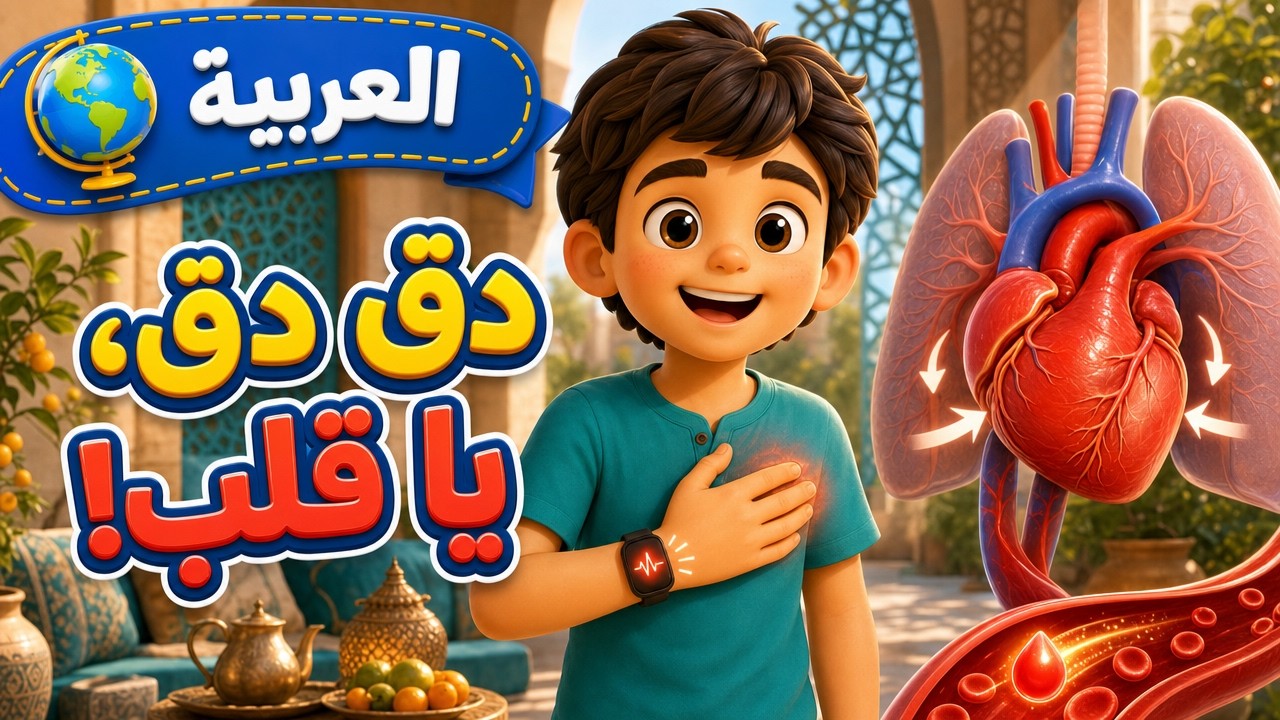
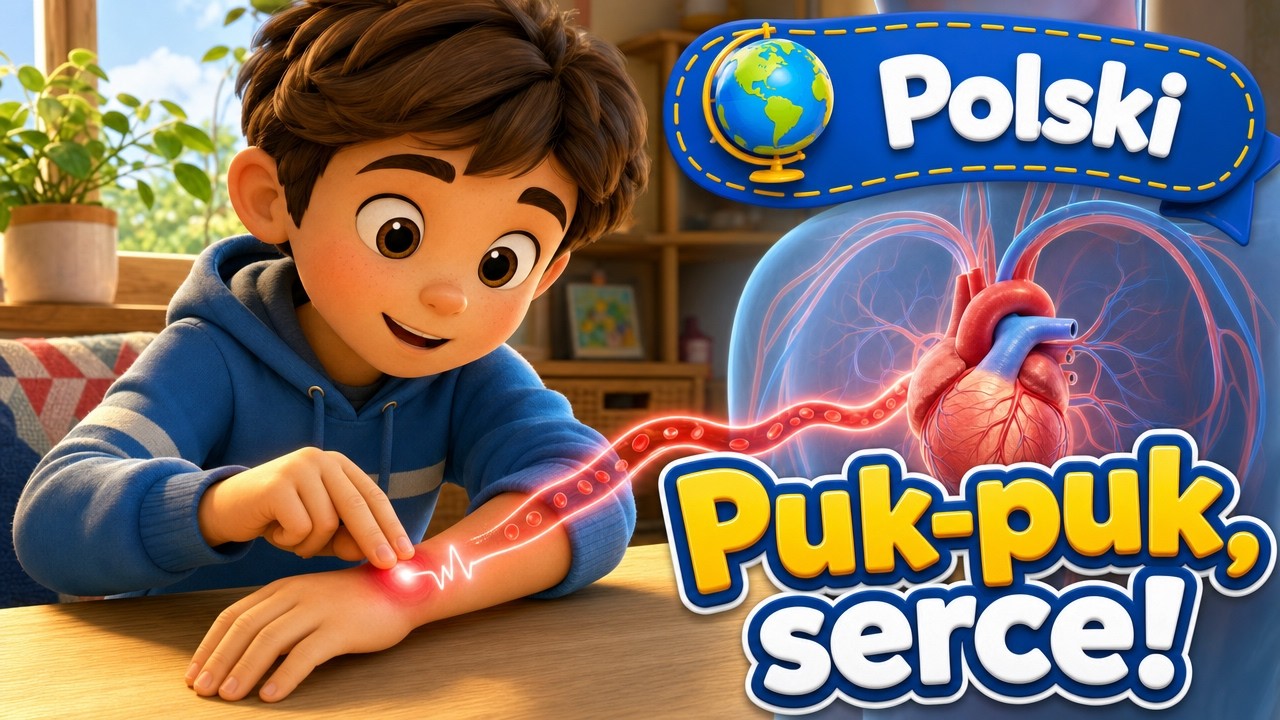
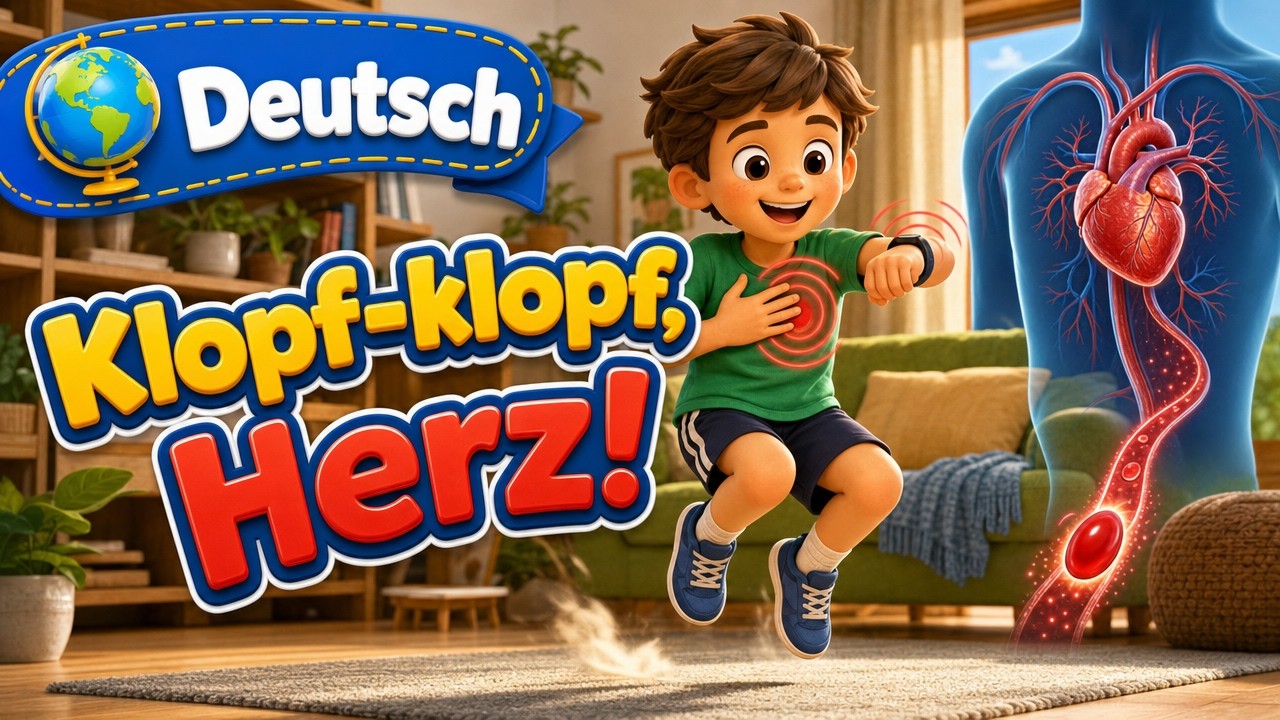
Thump-Thump! How Does Your Heart Pump Blood? | Kids’ Science Song

What makes your pulse speed up after a few easy jumps? This upbeat science song shows how the heart squeezes, relaxes, and pumps blood carrying oxygen picked up in the lungs. Children can explore their heartbeat, gently find a wrist pulse with two fingers, and notice it slow again while resting.

Biology↗
2:04
Audio language: EnglishSongs

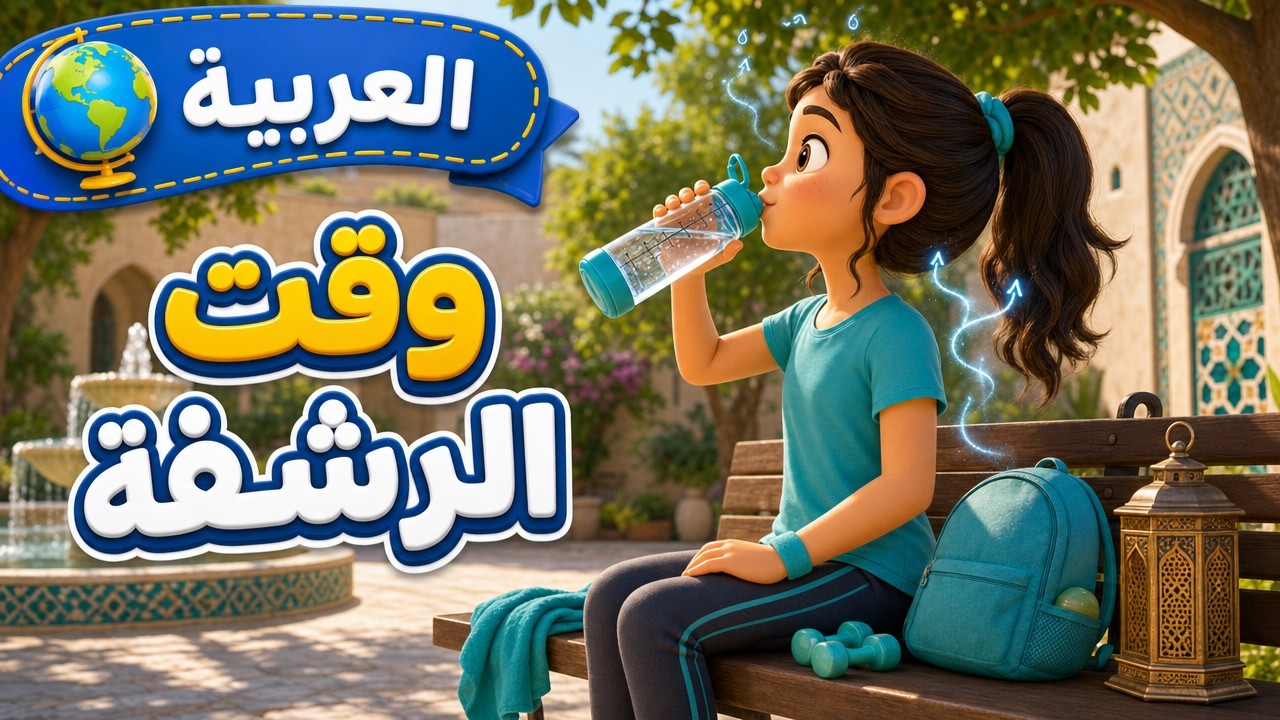
Why Do We Need Water? | A Sip for the Whole Body

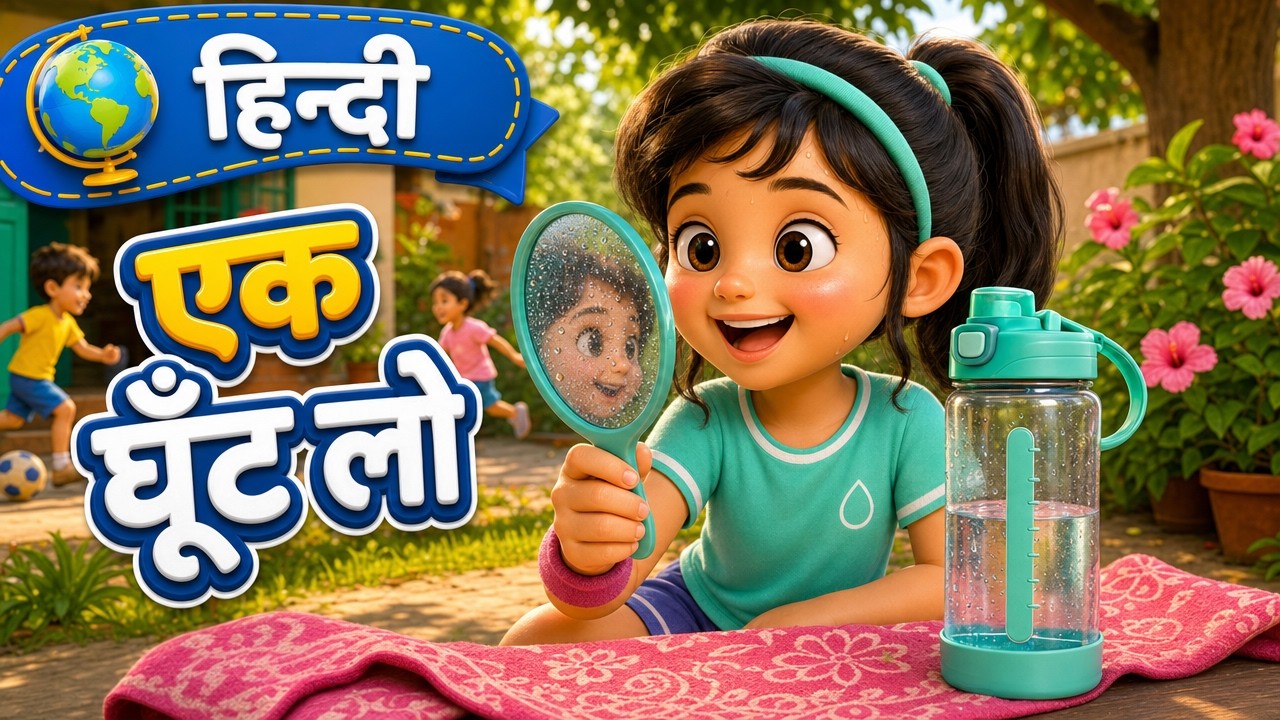
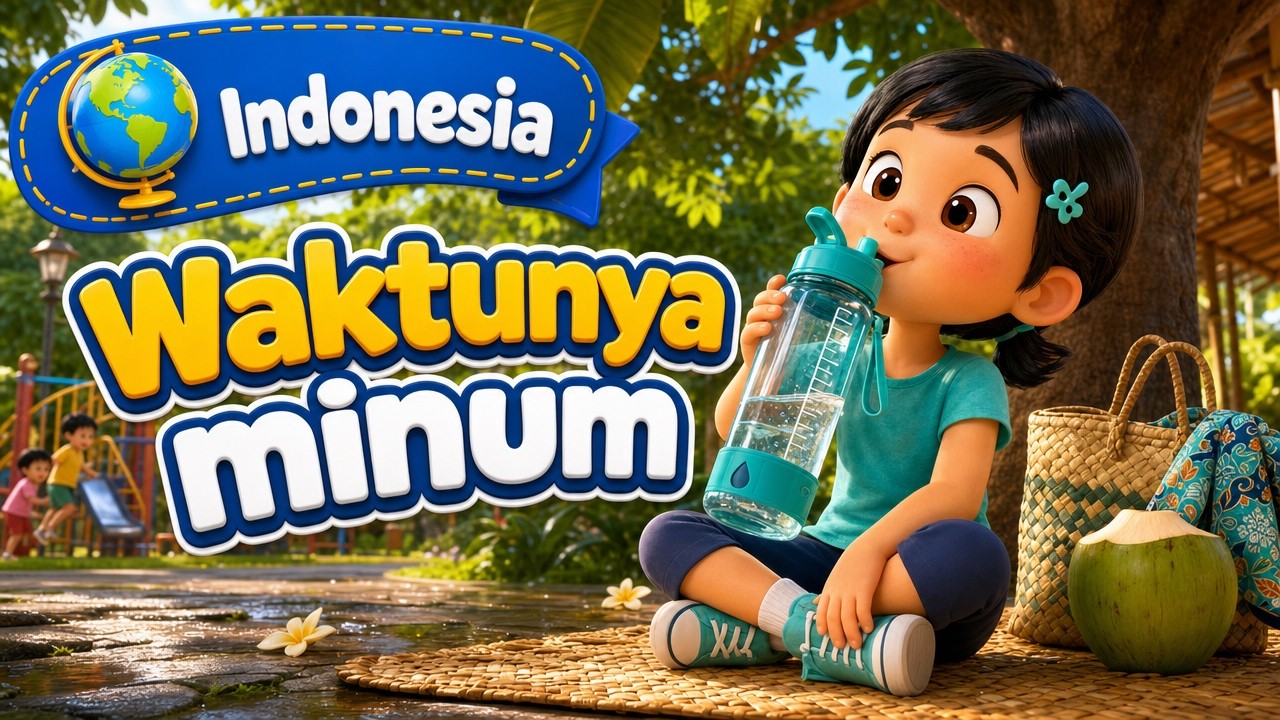
Maya discovers how the body continually loses water through breath, urine, and sweat—especially during active play and hot weather. This upbeat children’s song explains how small sips of safe water replace some of what is lost and help the body work properly.

Biology↗
2:44
Audio language: EnglishSongs

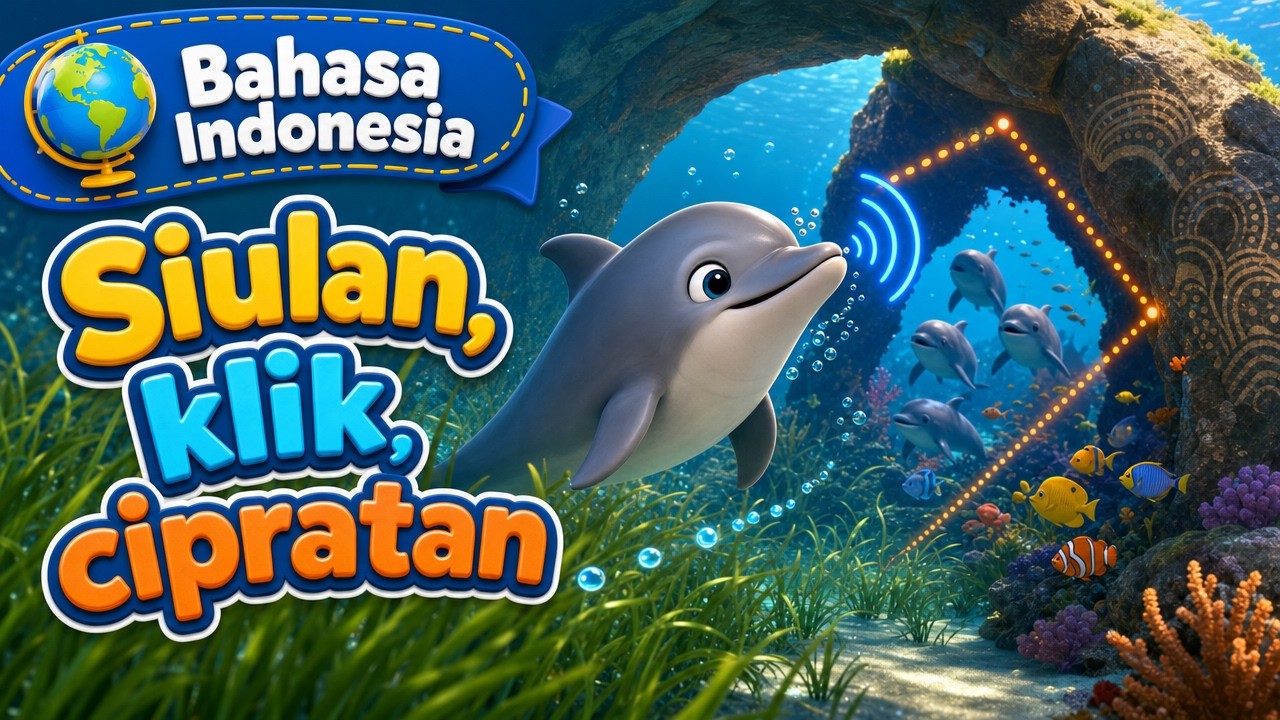
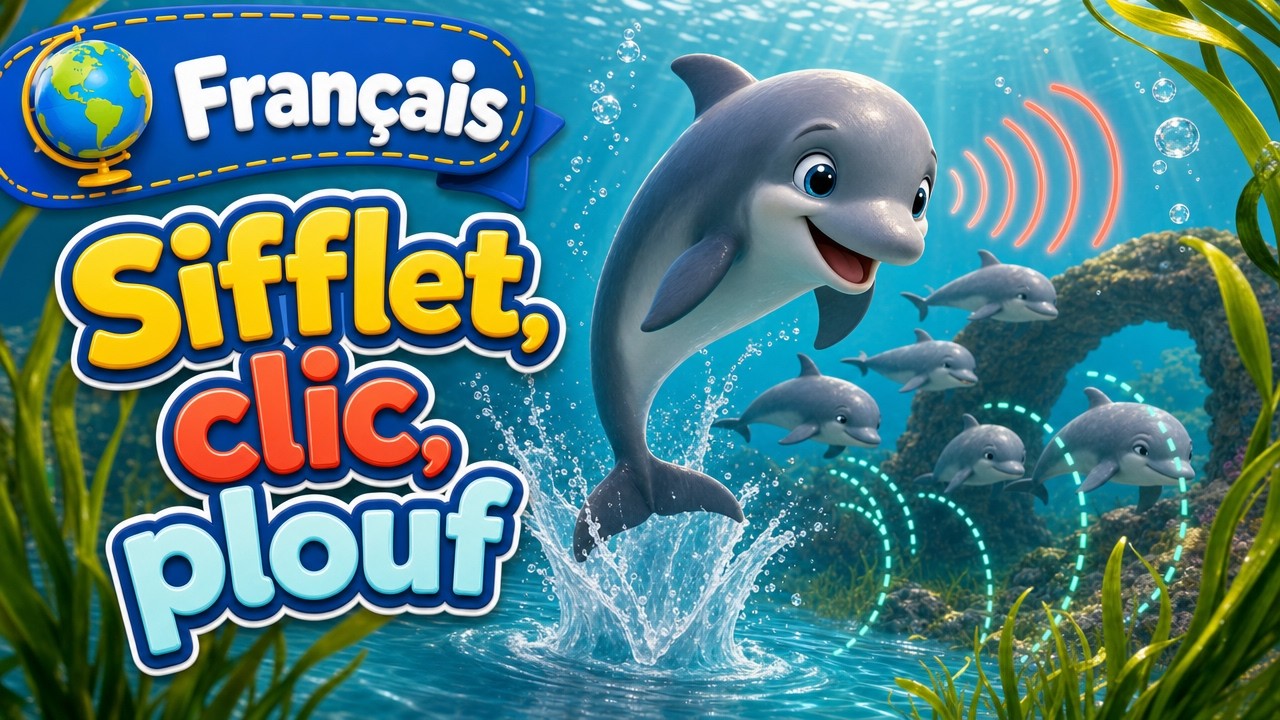
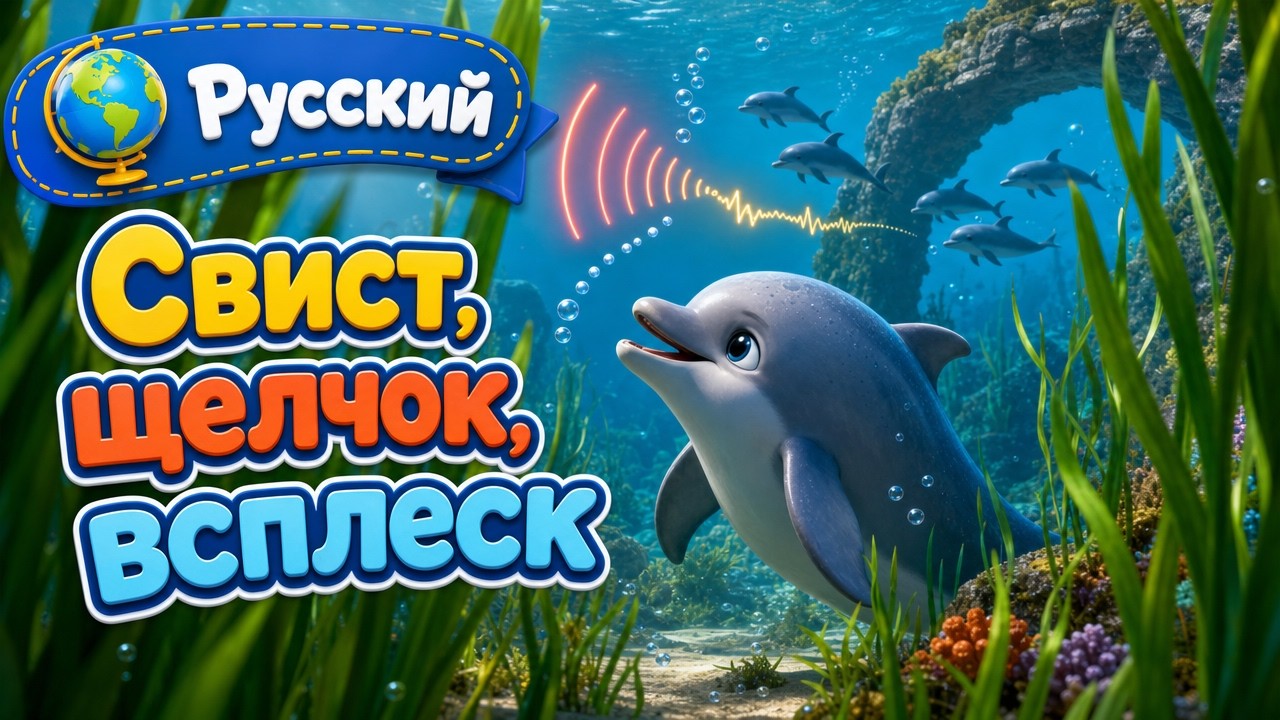
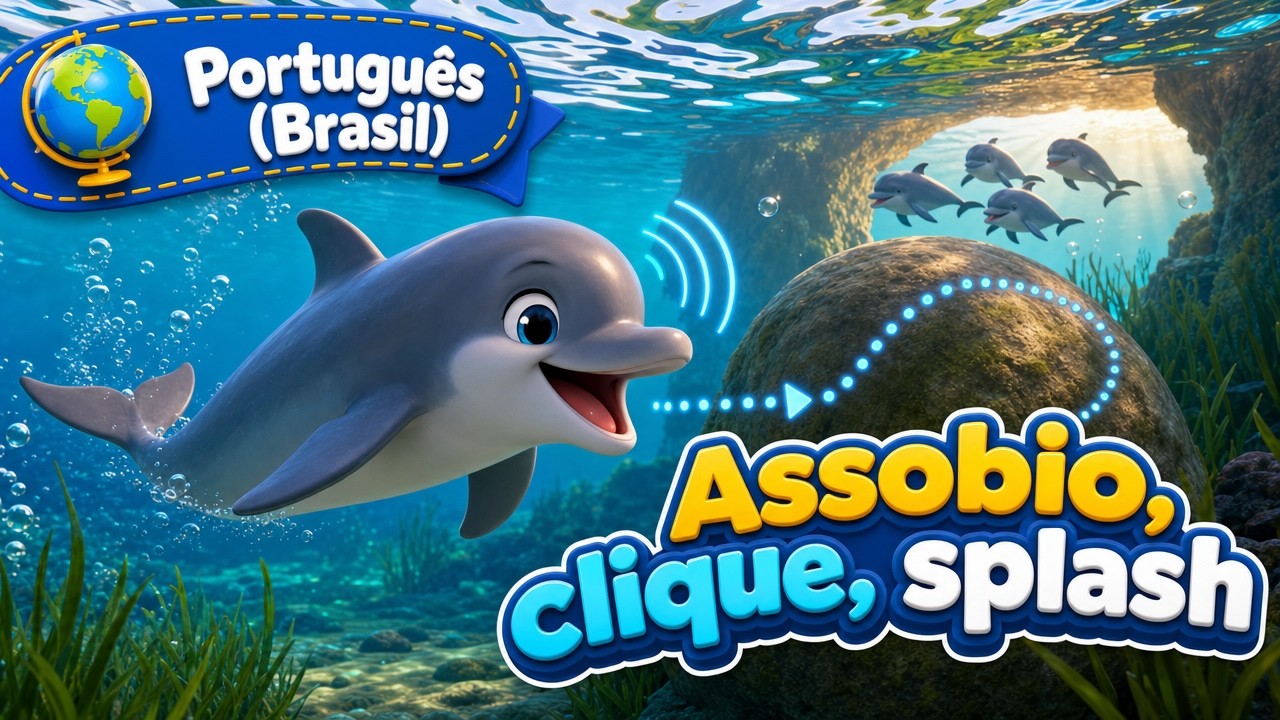
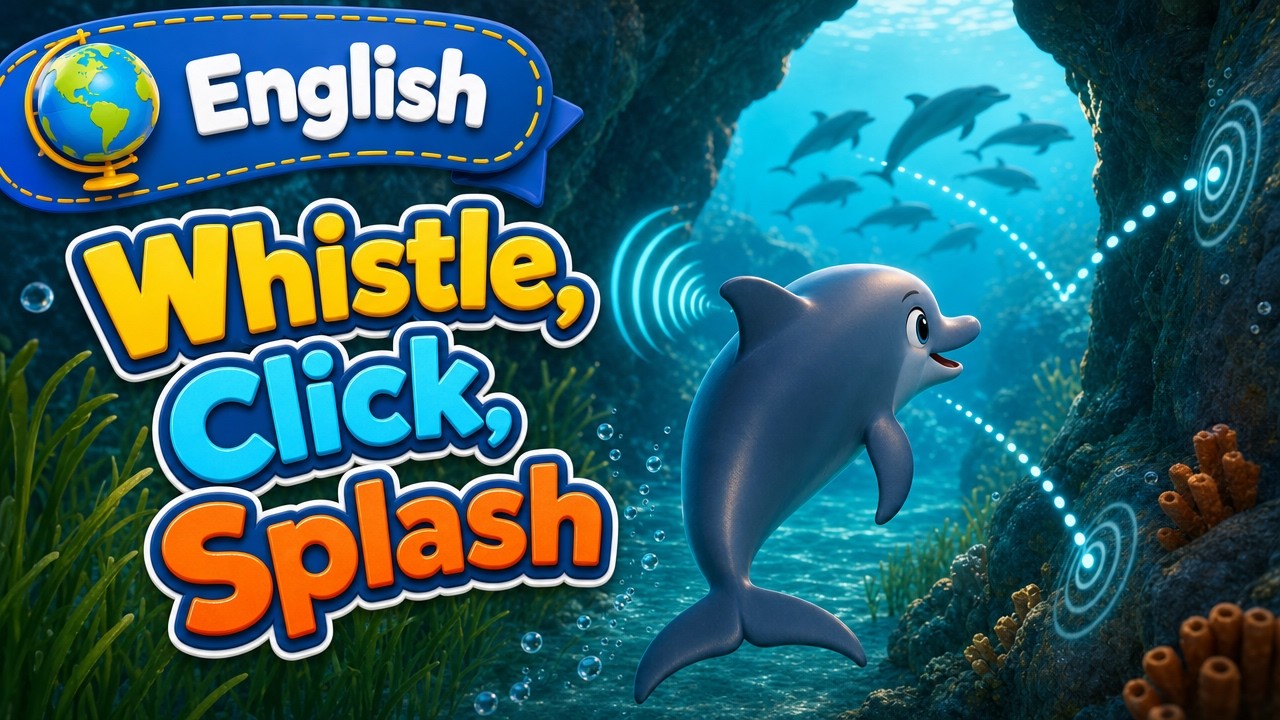
Whistle, Click & Splash | How Dolphins Stay in Touch and Find Their Way

Bubble loses sight of the pod in a murky bay but recognizes his mother’s signature whistle. He then sends quick clicks and listens to their echoes to find a wide passage. This upbeat children’s song introduces bottlenose dolphin contact whistles, echolocation, and attention-getting body movements.

Biology↗
2:27
Audio language: العربيةSongs

What Happens to Food in Your Stomach? A Digestion Song

Follow Ola’s cheese-sandwich bite on an imaginary camera trip into her stomach. See how muscle movements mix the food, while gastric juice and enzymes help break it down before small portions move on to the small intestine.

Biology↗
9:10
Audio language: Bahasa IndonesiaLearn a languageHelper language: Polski

Indonezyjski z piosenką: 44 słowa i zwroty | A2 | Część 7

Indonezyjski z piosenką — krótkie lekcje na poziomie A2. Posłuchaj, poznaj słowa i wymowę, a potem zaśpiewaj fragment jeszcze raz bez podpowiedzi. Pełne piosenki znajdziesz na kanale StepByStep Kids TV.

Mathematics↗
9:28
Audio language: DeutschLearn a languageHelper language: Polski

Niemiecki z piosenką: 43 słowa i zwroty | B1 | Część 19

Niemiecki z piosenką — krótkie lekcje na poziomie B1. Posłuchaj, poznaj słowa i wymowę, a potem zaśpiewaj fragment jeszcze raz bez podpowiedzi. Pełne piosenki znajdziesz na kanale StepByStep Kids TV.

Mathematics↗
9:04
Audio language: Bahasa IndonesiaLearn a languageHelper language: Polski

Indonezyjski z piosenką: 43 słowa i zwroty | A1 | Część 1

Indonezyjski z piosenką — krótkie lekcje na poziomie A1. Posłuchaj, poznaj słowa i wymowę, a potem zaśpiewaj fragment jeszcze raz bez podpowiedzi. Pełne piosenki znajdziesz na kanale StepByStep Kids TV.

Biology↗
9:19
Audio language: DeutschLearn a languageHelper language: Polski

Niemiecki z piosenką: 42 słowa i zwroty | A1 | Część 4

Niemiecki z piosenką — krótkie lekcje na poziomie A1. Posłuchaj, poznaj słowa i wymowę, a potem zaśpiewaj fragment jeszcze raz bez podpowiedzi. Pełne piosenki znajdziesz na kanale StepByStep Kids TV.

Physics↗
8:32
Audio language: DeutschLearn a languageHelper language: Polski

Niemiecki z piosenką: 34 słowa i zwroty | A1 | Część 6

Niemiecki z piosenką — krótkie lekcje na poziomie A1. Posłuchaj, poznaj słowa i wymowę, a potem zaśpiewaj fragment jeszcze raz bez podpowiedzi. Pełne piosenki znajdziesz na kanale StepByStep Kids TV.

Biology↗
9:07
Audio language: DeutschLearn a languageHelper language: Polski

Niemiecki z piosenką: 44 słowa i zwroty | A2 | Część 9

Niemiecki z piosenką — krótkie lekcje na poziomie A2. Posłuchaj, poznaj słowa i wymowę, a potem zaśpiewaj fragment jeszcze raz bez podpowiedzi. Pełne piosenki znajdziesz na kanale StepByStep Kids TV.

History↗
9:16
Audio language: DeutschLearn a languageHelper language: Polski

Niemiecki z piosenką: 44 słowa i zwroty | A1 | Część 1

Niemiecki z piosenką — krótkie lekcje na poziomie A1. Posłuchaj, poznaj słowa i wymowę, a potem zaśpiewaj fragment jeszcze raz bez podpowiedzi. Pełne piosenki znajdziesz na kanale StepByStep Kids TV.

Computing↗
9:19
Audio language: العربيةLearn a languageHelper language: Polski

Arabski z piosenką: 40 słów i zwrotów | A1 | Część 2

Arabski z piosenką — krótkie lekcje na poziomie A1. Posłuchaj, poznaj słowa i wymowę, a potem zaśpiewaj fragment jeszcze raz bez podpowiedzi. Pełne piosenki znajdziesz na kanale StepByStep Kids TV.

Ecology↗
9:16
Audio language: العربيةLearn a languageHelper language: Polski

Arabski z piosenką: 33 słowa i zwroty | A1 | Część 3

Arabski z piosenką — krótkie lekcje na poziomie A1. Posłuchaj, poznaj słowa i wymowę, a potem zaśpiewaj fragment jeszcze raz bez podpowiedzi. Pełne piosenki znajdziesz na kanale StepByStep Kids TV.

Chemistry↗
8:39
Audio language: العربيةLearn a languageHelper language: Polski

Arabski z piosenką: 31 słów i zwrotów | A1 | Część 4

Arabski z piosenką — krótkie lekcje na poziomie A1. Posłuchaj, poznaj słowa i wymowę, a potem zaśpiewaj fragment jeszcze raz bez podpowiedzi. Pełne piosenki znajdziesz na kanale StepByStep Kids TV.

Biology↗
9:06
Audio language: العربيةLearn a languageHelper language: Polski

Arabski z piosenką: 35 słów i zwrotów | A1 | Część 5

Arabski z piosenką — krótkie lekcje na poziomie A1. Posłuchaj, poznaj słowa i wymowę, a potem zaśpiewaj fragment jeszcze raz bez podpowiedzi. Pełne piosenki znajdziesz na kanale StepByStep Kids TV.

Physics↗
8:42
Audio language: العربيةLearn a languageHelper language: Polski

Arabski z piosenką: 40 słów i zwrotów | A1 | Część 1

Arabski z piosenką — krótkie lekcje na poziomie A1. Posłuchaj, poznaj słowa i wymowę, a potem zaśpiewaj fragment jeszcze raz bez podpowiedzi. Pełne piosenki znajdziesz na kanale StepByStep Kids TV.

Physics↗
8:35
Audio language: EnglishLearn a languageHelper language: Polski

English through songs: 34 words and phrases | A1 | Part 13

Angielski z piosenką — krótkie lekcje na poziomie A1. Posłuchaj, poznaj słowa i wymowę, a potem zaśpiewaj fragment jeszcze raz bez podpowiedzi. Pełne piosenki znajdziesz na kanale StepByStep Kids TV.

Chemistry↗
9:30
Audio language: EnglishLearn a languageHelper language: Polski

English through songs: 38 words and phrases | A1 | Part 10

Angielski z piosenką — krótkie lekcje na poziomie A1. Posłuchaj, poznaj słowa i wymowę, a potem zaśpiewaj fragment jeszcze raz bez podpowiedzi. Pełne piosenki znajdziesz na kanale StepByStep Kids TV.

Ecology↗
9:22
Audio language: EnglishLearn a languageHelper language: Polski

English through songs: 40 words and phrases | A1 | Part 9

Angielski z piosenką — krótkie lekcje na poziomie A1. Posłuchaj, poznaj słowa i wymowę, a potem zaśpiewaj fragment jeszcze raz bez podpowiedzi. Pełne piosenki znajdziesz na kanale StepByStep Kids TV.

Ecology↗
8:54
Audio language: EnglishLearn a languageHelper language: Polski

English through songs: 44 words and phrases | A1 | Part 7

Angielski z piosenką — krótkie lekcje na poziomie A1. Posłuchaj, poznaj słowa i wymowę, a potem zaśpiewaj fragment jeszcze raz bez podpowiedzi. Pełne piosenki znajdziesz na kanale StepByStep Kids TV.

Physics↗
9:22
Audio language: EnglishLearn a languageHelper language: Polski

English through songs: 35 words and phrases | A1 | Part 12

Angielski z piosenką — krótkie lekcje na poziomie A1. Posłuchaj, poznaj słowa i wymowę, a potem zaśpiewaj fragment jeszcze raz bez podpowiedzi. Pełne piosenki znajdziesz na kanale StepByStep Kids TV.

Biology↗
8:50
Audio language: EnglishLearn a languageHelper language: Polski

English through songs: 43 words and phrases | B1 | Part 18

Angielski z piosenką — krótkie lekcje na poziomie B1. Posłuchaj, poznaj słowa i wymowę, a potem zaśpiewaj fragment jeszcze raz bez podpowiedzi. Pełne piosenki znajdziesz na kanale StepByStep Kids TV.

Physics↗
9:16
Audio language: EnglishLearn a languageHelper language: Polski

English through songs: 44 words and phrases | A2 | Part 14

Angielski z piosenką — krótkie lekcje na poziomie A2. Posłuchaj, poznaj słowa i wymowę, a potem zaśpiewaj fragment jeszcze raz bez podpowiedzi. Pełne piosenki znajdziesz na kanale StepByStep Kids TV.

Biology↗
9:17
Audio language: EnglishLearn a languageHelper language: Polski

English through songs: 40 words and phrases | A2 | Part 16

Angielski z piosenką — krótkie lekcje na poziomie A2. Posłuchaj, poznaj słowa i wymowę, a potem zaśpiewaj fragment jeszcze raz bez podpowiedzi. Pełne piosenki znajdziesz na kanale StepByStep Kids TV.

Mathematics↗
8:49
Audio language: EnglishLearn a languageHelper language: Polski

English through songs: 35 words and phrases | A1 | Part 11

Angielski z piosenką — krótkie lekcje na poziomie A1. Posłuchaj, poznaj słowa i wymowę, a potem zaśpiewaj fragment jeszcze raz bez podpowiedzi. Pełne piosenki znajdziesz na kanale StepByStep Kids TV.

Physics↗
9:03
Audio language: EnglishLearn a languageHelper language: Polski

English through songs: 40 words and phrases | B1 | Part 21

Angielski z piosenką — krótkie lekcje na poziomie B1. Posłuchaj, poznaj słowa i wymowę, a potem zaśpiewaj fragment jeszcze raz bez podpowiedzi. Pełne piosenki znajdziesz na kanale StepByStep Kids TV.

Technology↗
9:21
Audio language: EnglishLearn a languageHelper language: Polski

English through songs: 40 words and phrases | A2 | Part 15

Angielski z piosenką — krótkie lekcje na poziomie A2. Posłuchaj, poznaj słowa i wymowę, a potem zaśpiewaj fragment jeszcze raz bez podpowiedzi. Pełne piosenki znajdziesz na kanale StepByStep Kids TV.

Weather↗
9:30
Audio language: EnglishLearn a languageHelper language: Polski

English through songs: 44 words and phrases | A1 | Part 6

Angielski z piosenką — krótkie lekcje na poziomie A1. Posłuchaj, poznaj słowa i wymowę, a potem zaśpiewaj fragment jeszcze raz bez podpowiedzi. Pełne piosenki znajdziesz na kanale StepByStep Kids TV.

Mathematics↗
8:49
Audio language: EnglishLearn a languageHelper language: Polski

English through songs: 44 words and phrases | B1 | Part 19

Angielski z piosenką — krótkie lekcje na poziomie B1. Posłuchaj, poznaj słowa i wymowę, a potem zaśpiewaj fragment jeszcze raz bez podpowiedzi. Pełne piosenki znajdziesz na kanale StepByStep Kids TV.

History↗
9:28
Audio language: EnglishLearn a languageHelper language: Polski

English through songs: 40 words and phrases | B1 | Part 22

Angielski z piosenką — krótkie lekcje na poziomie B1. Posłuchaj, poznaj słowa i wymowę, a potem zaśpiewaj fragment jeszcze raz bez podpowiedzi. Pełne piosenki znajdziesz na kanale StepByStep Kids TV.

Ecology↗
9:24
Audio language: EnglishLearn a languageHelper language: Polski

English through songs: 48 words and phrases | A1 | Part 8

Angielski z piosenką — krótkie lekcje na poziomie A1. Posłuchaj, poznaj słowa i wymowę, a potem zaśpiewaj fragment jeszcze raz bez podpowiedzi. Pełne piosenki znajdziesz na kanale StepByStep Kids TV.

Biology↗
8:43
Audio language: EnglishLearn a languageHelper language: Polski

English through songs: 40 words and phrases | A2 | Part 5

Angielski z piosenką — krótkie lekcje na poziomie A2. Posłuchaj, poznaj słowa i wymowę, a potem zaśpiewaj fragment jeszcze raz bez podpowiedzi. Pełne piosenki znajdziesz na kanale StepByStep Kids TV.

Biology↗
3:37
Audio language: DeutschSongs

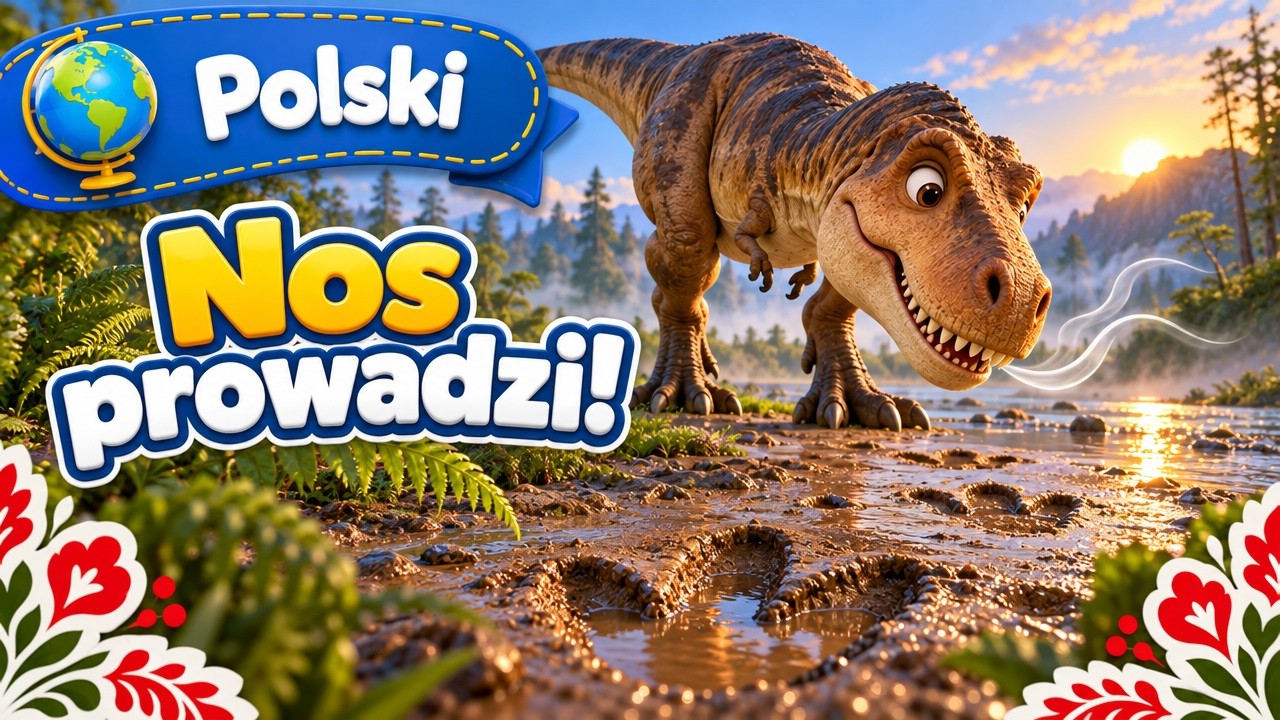
How Did T. rex Live? Heavy Steps, Keen Nose | Kids’ Dinosaur Song

How did T. rex move, find food, and stay balanced? This adventurous children’s song imagines a plausible day in western North America about 68–66 million years ago, near the end of the Cretaceous. Young listeners discover how two strong legs, a raised tail, a keen sense of smell, and powerful jaws helped this meat-eater.

Biology↗
3:12
Audio language: FrançaisSongs

How Did T. rex Live? Heavy Steps, Keen Nose | Kids’ Dinosaur Song

How did T. rex move, find food, and stay balanced? This adventurous children’s song imagines a plausible day in western North America about 68–66 million years ago, near the end of the Cretaceous. Young listeners discover how two strong legs, a raised tail, a keen sense of smell, and powerful jaws helped this meat-eater.

Biology↗
3:33
Audio language: हिन्दीSongs

How Did T. rex Live? Heavy Steps, Keen Nose | Kids’ Dinosaur Song

How did T. rex move, find food, and stay balanced? This adventurous children’s song imagines a plausible day in western North America about 68–66 million years ago, near the end of the Cretaceous. Young listeners discover how two strong legs, a raised tail, a keen sense of smell, and powerful jaws helped this meat-eater.

Biology↗
3:21
Audio language: العربيةSongs

How Did T. rex Live? Heavy Steps, Keen Nose | Kids’ Dinosaur Song

How did T. rex move, find food, and stay balanced? This adventurous children’s song imagines a plausible day in western North America about 68–66 million years ago, near the end of the Cretaceous. Young listeners discover how two strong legs, a raised tail, a keen sense of smell, and powerful jaws helped this meat-eater.

Biology↗
3:07
Audio language: PolskiSongs

How Did T. rex Live? Heavy Steps, Keen Nose | Kids’ Dinosaur Song

How did T. rex move, find food, and stay balanced? This adventurous children’s song imagines a plausible day in western North America about 68–66 million years ago, near the end of the Cretaceous. Young listeners discover how two strong legs, a raised tail, a keen sense of smell, and powerful jaws helped this meat-eater.

Biology↗
3:27
Audio language: Português · BrasilSongs

How Did T. rex Live? Heavy Steps, Keen Nose | Kids’ Dinosaur Song

How did T. rex move, find food, and stay balanced? This adventurous children’s song imagines a plausible day in western North America about 68–66 million years ago, near the end of the Cretaceous. Young listeners discover how two strong legs, a raised tail, a keen sense of smell, and powerful jaws helped this meat-eater.

Biology↗
3:27
Audio language: РусскийSongs

How Did T. rex Live? Heavy Steps, Keen Nose | Kids’ Dinosaur Song

How did T. rex move, find food, and stay balanced? This adventurous children’s song imagines a plausible day in western North America about 68–66 million years ago, near the end of the Cretaceous. Young listeners discover how two strong legs, a raised tail, a keen sense of smell, and powerful jaws helped this meat-eater.

Biology↗
3:16
Audio language: Español · LatinoaméricaSongs

How Did T. rex Live? Heavy Steps, Keen Nose | Kids’ Dinosaur Song

How did T. rex move, find food, and stay balanced? This adventurous children’s song imagines a plausible day in western North America about 68–66 million years ago, near the end of the Cretaceous. Young listeners discover how two strong legs, a raised tail, a keen sense of smell, and powerful jaws helped this meat-eater.

Biology↗
2:55
Audio language: FrançaisSongs

Why Are Flowers Colorful? | Science Song for Kids

A bright science song for kids about the colors of flowers. Discover how sunlight and pigments in petals absorb some light and reflect other colors to our eyes. See how color, scent, and shape can help a bee find food while pollen travels between flowers and supports seed formation.

Biology↗
2:58
Audio language: РусскийSongs

Why Are Flowers Colorful? | Science Song for Kids

A bright science song for kids about the colors of flowers. Discover how sunlight and pigments in petals absorb some light and reflect other colors to our eyes. See how color, scent, and shape can help a bee find food while pollen travels between flowers and supports seed formation.

Biology↗
2:48
Audio language: DeutschSongs

Why Are Flowers Colorful? | Science Song for Kids

A bright science song for kids about the colors of flowers. Discover how sunlight and pigments in petals absorb some light and reflect other colors to our eyes. See how color, scent, and shape can help a bee find food while pollen travels between flowers and supports seed formation.

Biology↗
2:26
Audio language: PolskiSongs

Why Are Flowers Colorful? | Science Song for Kids

A bright science song for kids about the colors of flowers. Discover how sunlight and pigments in petals absorb some light and reflect other colors to our eyes. See how color, scent, and shape can help a bee find food while pollen travels between flowers and supports seed formation.

Biology↗
2:59
Audio language: Bahasa IndonesiaSongs

Why Are Flowers Colorful? | Science Song for Kids

A bright science song for kids about the colors of flowers. Discover how sunlight and pigments in petals absorb some light and reflect other colors to our eyes. See how color, scent, and shape can help a bee find food while pollen travels between flowers and supports seed formation.

Biology↗
2:46
Audio language: العربيةSongs

Why Are Flowers Colorful? | Science Song for Kids

A bright science song for kids about the colors of flowers. Discover how sunlight and pigments in petals absorb some light and reflect other colors to our eyes. See how color, scent, and shape can help a bee find food while pollen travels between flowers and supports seed formation.

Biology↗
3:12
Audio language: हिन्दीSongs

Why Are Flowers Colorful? | Science Song for Kids

A bright science song for kids about the colors of flowers. Discover how sunlight and pigments in petals absorb some light and reflect other colors to our eyes. See how color, scent, and shape can help a bee find food while pollen travels between flowers and supports seed formation.

Biology↗
2:51
Audio language: Español · LatinoaméricaSongs

Why Are Flowers Colorful? | Science Song for Kids

A bright science song for kids about the colors of flowers. Discover how sunlight and pigments in petals absorb some light and reflect other colors to our eyes. See how color, scent, and shape can help a bee find food while pollen travels between flowers and supports seed formation.

Biology↗
2:50
Audio language: Português · BrasilSongs

Why Are Flowers Colorful? | Science Song for Kids

A bright science song for kids about the colors of flowers. Discover how sunlight and pigments in petals absorb some light and reflect other colors to our eyes. See how color, scent, and shape can help a bee find food while pollen travels between flowers and supports seed formation.

Biology↗
3:05
Audio language: Bahasa IndonesiaSongs

Why Do We Have Bones? The Skeleton Keeps Us Moving | Kids’ Song

Why can we stand, bend, wave, and jump? This upbeat children’s song uses a soft puppet model to show how the skeleton supports the body, joints let it bend, and muscles pull bones to create movement. It also introduces how the skull and ribs help protect important organs.

Biology↗
2:43
Audio language: РусскийSongs

Why Do We Have Bones? The Skeleton Keeps Us Moving | Kids’ Song

Why can we stand, bend, wave, and jump? This upbeat children’s song uses a soft puppet model to show how the skeleton supports the body, joints let it bend, and muscles pull bones to create movement. It also introduces how the skull and ribs help protect important organs.

Biology↗
3:24
Audio language: हिन्दीSongs

Why Do We Have Bones? The Skeleton Keeps Us Moving | Kids’ Song

Why can we stand, bend, wave, and jump? This upbeat children’s song uses a soft puppet model to show how the skeleton supports the body, joints let it bend, and muscles pull bones to create movement. It also introduces how the skull and ribs help protect important organs.

Biology↗
2:44
Audio language: FrançaisSongs

Why Do We Have Bones? The Skeleton Keeps Us Moving | Kids’ Song

Why can we stand, bend, wave, and jump? This upbeat children’s song uses a soft puppet model to show how the skeleton supports the body, joints let it bend, and muscles pull bones to create movement. It also introduces how the skull and ribs help protect important organs.

Biology↗
2:44
Audio language: PolskiSongs

Why Do We Have Bones? The Skeleton Keeps Us Moving | Kids’ Song

Why can we stand, bend, wave, and jump? This upbeat children’s song uses a soft puppet model to show how the skeleton supports the body, joints let it bend, and muscles pull bones to create movement. It also introduces how the skull and ribs help protect important organs.

Biology↗
2:51
Audio language: DeutschSongs

Why Do We Have Bones? The Skeleton Keeps Us Moving | Kids’ Song

Why can we stand, bend, wave, and jump? This upbeat children’s song uses a soft puppet model to show how the skeleton supports the body, joints let it bend, and muscles pull bones to create movement. It also introduces how the skull and ribs help protect important organs.

Biology↗
2:59
Audio language: العربيةSongs

Why Do We Have Bones? The Skeleton Keeps Us Moving | Kids’ Song

Why can we stand, bend, wave, and jump? This upbeat children’s song uses a soft puppet model to show how the skeleton supports the body, joints let it bend, and muscles pull bones to create movement. It also introduces how the skull and ribs help protect important organs.

Biology↗
2:52
Audio language: Português · BrasilSongs

Why Do We Have Bones? The Skeleton Keeps Us Moving | Kids’ Song

Why can we stand, bend, wave, and jump? This upbeat children’s song uses a soft puppet model to show how the skeleton supports the body, joints let it bend, and muscles pull bones to create movement. It also introduces how the skull and ribs help protect important organs.

Biology↗
3:20
Audio language: Español · LatinoaméricaSongs

Why Do We Have Bones? The Skeleton Keeps Us Moving | Kids’ Song

Why can we stand, bend, wave, and jump? This upbeat children’s song uses a soft puppet model to show how the skeleton supports the body, joints let it bend, and muscles pull bones to create movement. It also introduces how the skull and ribs help protect important organs.

Biology↗
2:18
Audio language: DeutschSongs

Thump-Thump! How Does Your Heart Pump Blood? | Kids’ Science Song

What makes your pulse speed up after a few easy jumps? This upbeat science song shows how the heart squeezes, relaxes, and pumps blood carrying oxygen picked up in the lungs. Children can explore their heartbeat, gently find a wrist pulse with two fingers, and notice it slow again while resting.

Biology↗
2:17
Audio language: РусскийSongs

Thump-Thump! How Does Your Heart Pump Blood? | Kids’ Science Song

What makes your pulse speed up after a few easy jumps? This upbeat science song shows how the heart squeezes, relaxes, and pumps blood carrying oxygen picked up in the lungs. Children can explore their heartbeat, gently find a wrist pulse with two fingers, and notice it slow again while resting.

Biology↗
2:10
Audio language: FrançaisSongs

Thump-Thump! How Does Your Heart Pump Blood? | Kids’ Science Song

What makes your pulse speed up after a few easy jumps? This upbeat science song shows how the heart squeezes, relaxes, and pumps blood carrying oxygen picked up in the lungs. Children can explore their heartbeat, gently find a wrist pulse with two fingers, and notice it slow again while resting.

Biology↗
2:21
Audio language: Português · BrasilSongs

Thump-Thump! How Does Your Heart Pump Blood? | Kids’ Science Song

What makes your pulse speed up after a few easy jumps? This upbeat science song shows how the heart squeezes, relaxes, and pumps blood carrying oxygen picked up in the lungs. Children can explore their heartbeat, gently find a wrist pulse with two fingers, and notice it slow again while resting.

Biology↗
2:16
Audio language: Español · LatinoaméricaSongs

Thump-Thump! How Does Your Heart Pump Blood? | Kids’ Science Song

What makes your pulse speed up after a few easy jumps? This upbeat science song shows how the heart squeezes, relaxes, and pumps blood carrying oxygen picked up in the lungs. Children can explore their heartbeat, gently find a wrist pulse with two fingers, and notice it slow again while resting.

Biology↗
2:22
Audio language: العربيةSongs

Thump-Thump! How Does Your Heart Pump Blood? | Kids’ Science Song

What makes your pulse speed up after a few easy jumps? This upbeat science song shows how the heart squeezes, relaxes, and pumps blood carrying oxygen picked up in the lungs. Children can explore their heartbeat, gently find a wrist pulse with two fingers, and notice it slow again while resting.

Biology↗
2:50
Audio language: Bahasa IndonesiaSongs

Thump-Thump! How Does Your Heart Pump Blood? | Kids’ Science Song

What makes your pulse speed up after a few easy jumps? This upbeat science song shows how the heart squeezes, relaxes, and pumps blood carrying oxygen picked up in the lungs. Children can explore their heartbeat, gently find a wrist pulse with two fingers, and notice it slow again while resting.

Biology↗
3:04
Audio language: हिन्दीSongs

Thump-Thump! How Does Your Heart Pump Blood? | Kids’ Science Song

What makes your pulse speed up after a few easy jumps? This upbeat science song shows how the heart squeezes, relaxes, and pumps blood carrying oxygen picked up in the lungs. Children can explore their heartbeat, gently find a wrist pulse with two fingers, and notice it slow again while resting.

Biology↗
2:10
Audio language: PolskiSongs

Thump-Thump! How Does Your Heart Pump Blood? | Kids’ Science Song

What makes your pulse speed up after a few easy jumps? This upbeat science song shows how the heart squeezes, relaxes, and pumps blood carrying oxygen picked up in the lungs. Children can explore their heartbeat, gently find a wrist pulse with two fingers, and notice it slow again while resting.

Biology↗
2:05
Audio language: Português · BrasilSongs

Why Do We Need Water? | A Sip for the Whole Body

Maya discovers how the body continually loses water through breath, urine, and sweat—especially during active play and hot weather. This upbeat children’s song explains how small sips of safe water replace some of what is lost and help the body work properly.

Biology↗
3:09
Audio language: हिन्दीSongs

Why Do We Need Water? | A Sip for the Whole Body

Maya discovers how the body continually loses water through breath, urine, and sweat—especially during active play and hot weather. This upbeat children’s song explains how small sips of safe water replace some of what is lost and help the body work properly.

Biology↗
2:01
Audio language: DeutschSongs

Why Do We Need Water? | A Sip for the Whole Body

Maya discovers how the body continually loses water through breath, urine, and sweat—especially during active play and hot weather. This upbeat children’s song explains how small sips of safe water replace some of what is lost and help the body work properly.

Biology↗
2:06
Audio language: Bahasa IndonesiaSongs

Why Do We Need Water? | A Sip for the Whole Body

Maya discovers how the body continually loses water through breath, urine, and sweat—especially during active play and hot weather. This upbeat children’s song explains how small sips of safe water replace some of what is lost and help the body work properly.

Biology↗
2:21
Audio language: العربيةSongs

Why Do We Need Water? | A Sip for the Whole Body

Maya discovers how the body continually loses water through breath, urine, and sweat—especially during active play and hot weather. This upbeat children’s song explains how small sips of safe water replace some of what is lost and help the body work properly.

Biology↗
1:57
Audio language: Español · LatinoaméricaSongs

Why Do We Need Water? | A Sip for the Whole Body

Maya discovers how the body continually loses water through breath, urine, and sweat—especially during active play and hot weather. This upbeat children’s song explains how small sips of safe water replace some of what is lost and help the body work properly.

Biology↗
2:01
Audio language: PolskiSongs

Why Do We Need Water? | A Sip for the Whole Body

Maya discovers how the body continually loses water through breath, urine, and sweat—especially during active play and hot weather. This upbeat children’s song explains how small sips of safe water replace some of what is lost and help the body work properly.

Biology↗
3:15
Audio language: Bahasa IndonesiaSongs

Whistle, Click & Splash | How Dolphins Stay in Touch and Find Their Way

Bubble loses sight of the pod in a murky bay but recognizes his mother’s signature whistle. He then sends quick clicks and listens to their echoes to find a wide passage. This upbeat children’s song introduces bottlenose dolphin contact whistles, echolocation, and attention-getting body movements.

Biology↗
2:42
Audio language: DeutschSongs

Whistle, Click & Splash | How Dolphins Stay in Touch and Find Their Way

Bubble loses sight of the pod in a murky bay but recognizes his mother’s signature whistle. He then sends quick clicks and listens to their echoes to find a wide passage. This upbeat children’s song introduces bottlenose dolphin contact whistles, echolocation, and attention-getting body movements.

Biology↗
2:44
Audio language: FrançaisSongs

Whistle, Click & Splash | How Dolphins Stay in Touch and Find Their Way

Bubble loses sight of the pod in a murky bay but recognizes his mother’s signature whistle. He then sends quick clicks and listens to their echoes to find a wide passage. This upbeat children’s song introduces bottlenose dolphin contact whistles, echolocation, and attention-getting body movements.

Biology↗
3:10
Audio language: РусскийSongs

Whistle, Click & Splash | How Dolphins Stay in Touch and Find Their Way

Bubble loses sight of the pod in a murky bay but recognizes his mother’s signature whistle. He then sends quick clicks and listens to their echoes to find a wide passage. This upbeat children’s song introduces bottlenose dolphin contact whistles, echolocation, and attention-getting body movements.

Biology↗
2:58
Audio language: हिन्दीSongs

Whistle, Click & Splash | How Dolphins Stay in Touch and Find Their Way

Bubble loses sight of the pod in a murky bay but recognizes his mother’s signature whistle. He then sends quick clicks and listens to their echoes to find a wide passage. This upbeat children’s song introduces bottlenose dolphin contact whistles, echolocation, and attention-getting body movements.

Biology↗
2:50
Audio language: العربيةSongs

Whistle, Click & Splash | How Dolphins Stay in Touch and Find Their Way

Bubble loses sight of the pod in a murky bay but recognizes his mother’s signature whistle. He then sends quick clicks and listens to their echoes to find a wide passage. This upbeat children’s song introduces bottlenose dolphin contact whistles, echolocation, and attention-getting body movements.

Biology↗
2:50
Audio language: Português · BrasilSongs

Whistle, Click & Splash | How Dolphins Stay in Touch and Find Their Way

Bubble loses sight of the pod in a murky bay but recognizes his mother’s signature whistle. He then sends quick clicks and listens to their echoes to find a wide passage. This upbeat children’s song introduces bottlenose dolphin contact whistles, echolocation, and attention-getting body movements.

Biology↗
2:49
Audio language: Bahasa IndonesiaSongs

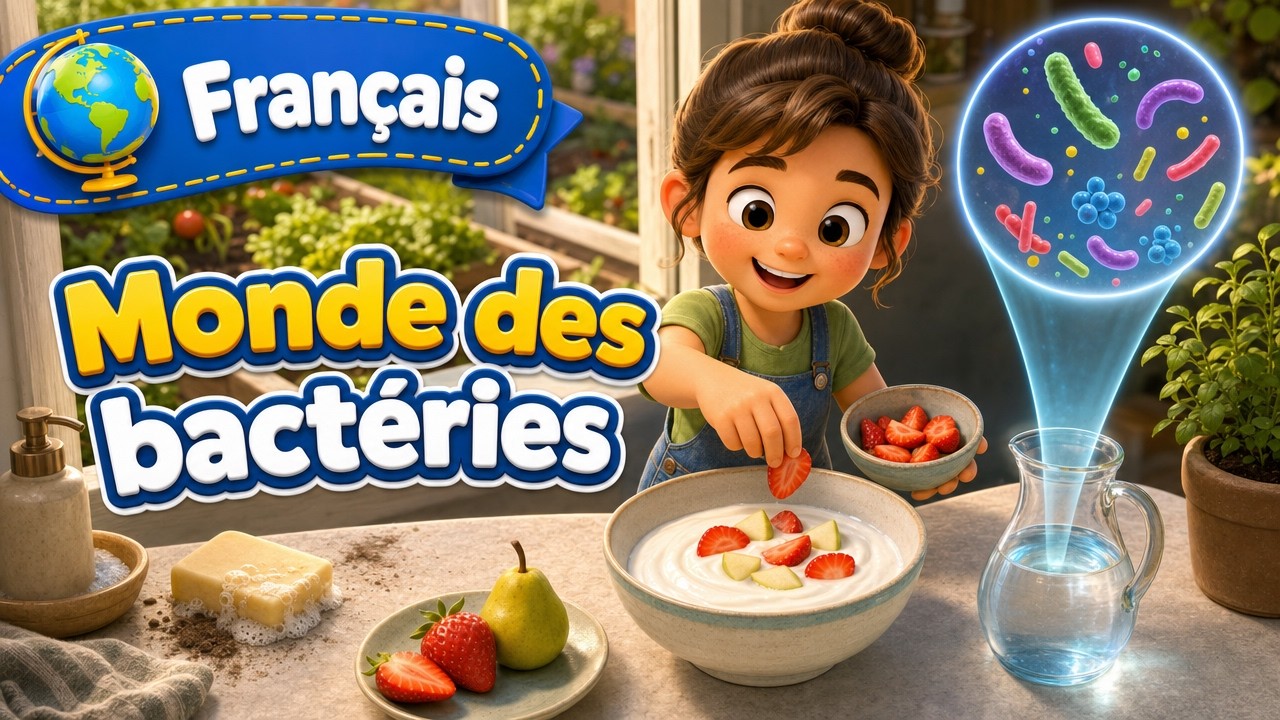
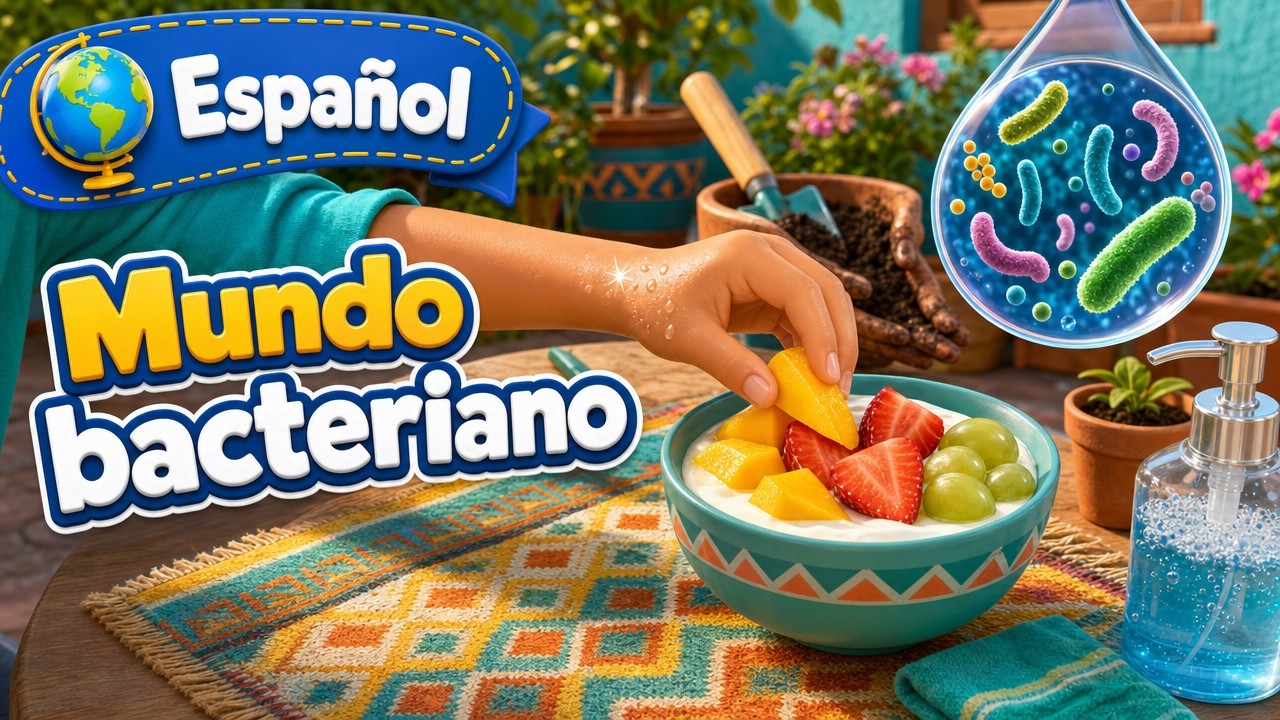
Bacteria: Tiny Neighbors Everywhere | Educational Kids’ Song

What lives in soil, water, food, and on our bodies but is usually too small to see? This curious kids’ song introduces bacteria as tiny single-celled organisms, explores how certain bacteria help make yogurt, and explains how washing with soap and water reduces the spread of microbes.

Biology↗
2:42
Audio language: Español · LatinoaméricaSongs

Whistle, Click & Splash | How Dolphins Stay in Touch and Find Their Way

Bubble loses sight of the pod in a murky bay but recognizes his mother’s signature whistle. He then sends quick clicks and listens to their echoes to find a wide passage. This upbeat children’s song introduces bottlenose dolphin contact whistles, echolocation, and attention-getting body movements.

Biology↗
2:41
Audio language: FrançaisSongs

Bacteria: Tiny Neighbors Everywhere | Educational Kids’ Song

What lives in soil, water, food, and on our bodies but is usually too small to see? This curious kids’ song introduces bacteria as tiny single-celled organisms, explores how certain bacteria help make yogurt, and explains how washing with soap and water reduces the spread of microbes.

Biology↗
2:44
Audio language: DeutschSongs

Bacteria: Tiny Neighbors Everywhere | Educational Kids’ Song

What lives in soil, water, food, and on our bodies but is usually too small to see? This curious kids’ song introduces bacteria as tiny single-celled organisms, explores how certain bacteria help make yogurt, and explains how washing with soap and water reduces the spread of microbes.

Biology↗
2:40
Audio language: РусскийSongs

Bacteria: Tiny Neighbors Everywhere | Educational Kids’ Song

What lives in soil, water, food, and on our bodies but is usually too small to see? This curious kids’ song introduces bacteria as tiny single-celled organisms, explores how certain bacteria help make yogurt, and explains how washing with soap and water reduces the spread of microbes.

Biology↗
2:37
Audio language: Español · LatinoaméricaSongs

Bacteria: Tiny Neighbors Everywhere | Educational Kids’ Song

What lives in soil, water, food, and on our bodies but is usually too small to see? This curious kids’ song introduces bacteria as tiny single-celled organisms, explores how certain bacteria help make yogurt, and explains how washing with soap and water reduces the spread of microbes.

Biology↗
2:36
Audio language: Português · BrasilSongs

Bacteria: Tiny Neighbors Everywhere | Educational Kids’ Song

What lives in soil, water, food, and on our bodies but is usually too small to see? This curious kids’ song introduces bacteria as tiny single-celled organisms, explores how certain bacteria help make yogurt, and explains how washing with soap and water reduces the spread of microbes.

Biology↗